
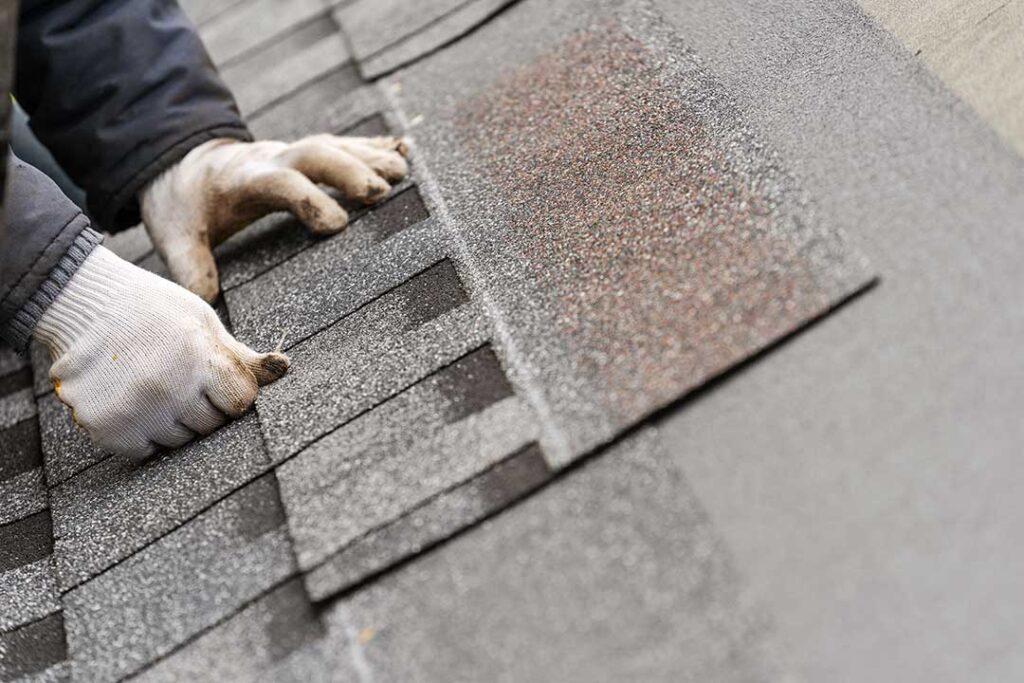
Strong wind can damage a roof without leaving an obvious hole. Shingles may loosen, flashing can shift, vents may lift, and small weaknesses can allow water to enter during the next rain or snow event. For homeowners in Churchville, NY, understanding what wind damage looks like can help prevent a minor repair from becoming a larger roof or interior problem.
What kinds of roof damage can severe winds cause?
Severe winds commonly damage the parts of a roof that are exposed, lightweight, or dependent on fasteners and sealants. The most visible problem is often a missing or lifted shingle, but wind can affect several roof components at once.
Wind may:
- Lift shingle edges and break the factory seal between adjoining shingles
- Tear shingles away from fasteners
- Remove ridge-cap shingles along the roof peak
- Bend or loosen metal flashing around chimneys, walls, skylights, and roof valleys
- Shift attic or plumbing vents
- Damage soffits, fascia, gutters, and downspouts
- Blow branches or other debris against the roof surface
- Create openings where wind-driven rain can enter
A roof does not need to look severely damaged to have been affected. Shingles can remain in place while their adhesive strips separate or their fasteners loosen. That type of damage may not become obvious until water appears inside the attic or upper floor.
Why do some roofs suffer more wind damage than others?
Roof age, installation quality, maintenance, shape, and exposure all influence wind performance. Two homes on the same street can experience the same storm but have very different results.
Older roofing materials may become brittle, especially after repeated cycles of freezing, thawing, heating, and cooling. A shingle that was flexible when installed may crack or tear more easily years later. Missing granules, curled edges, and exposed fiberglass reinforcement can also reduce a shingle’s ability to resist uplift.
Installation details matter as well. Insufficient or improperly placed fasteners, weak sealant bonds, poorly secured flashing, and inadequate edge protection can create vulnerable areas. Roof edges, corners, eaves, and ridges often experience greater wind pressure than the central field of the roof.
Roof design can also affect exposure. Complex roofs with multiple valleys, dormers, intersecting slopes, and wall transitions have more joints and flashing areas that require careful installation. A simple roof is not immune to damage, but it generally has fewer transition points where wind and water can exploit a weakness.
Can wind damage happen without missing shingles?
Yes. Wind damage can be hidden beneath shingles or appear as subtle movement rather than complete loss.
A shingle may lift and settle back into place, leaving a broken seal or loosened nail. The shingle could look normal from the ground but be more likely to lift during the next storm. Wind can also loosen flashing or vents without removing them entirely.
Signs that may indicate concealed damage include:
- Shingles that appear raised, wavy, or uneven
- Freshly exposed nail heads
- Small pieces of shingle material in the yard or gutters
- Granules collecting below downspouts after a storm
- Bent flashing or separated metal edges
- A vent cap that appears tilted
- New daylight visible in the attic
- Damp insulation, water stains, or a musty odor
Because roof surfaces can be steep, slippery, and unstable after a storm, residents should not climb onto the roof to inspect it. A ground-level review and an attic check from a safe location are more appropriate for most homeowners.
How should a homeowner inspect the property after high winds?
Begin with the ground. Look for roofing debris, broken branches, displaced shingles, damaged gutters, and changes along the roofline. Binoculars can help reveal lifted shingle edges or a missing ridge cap without requiring anyone to climb.
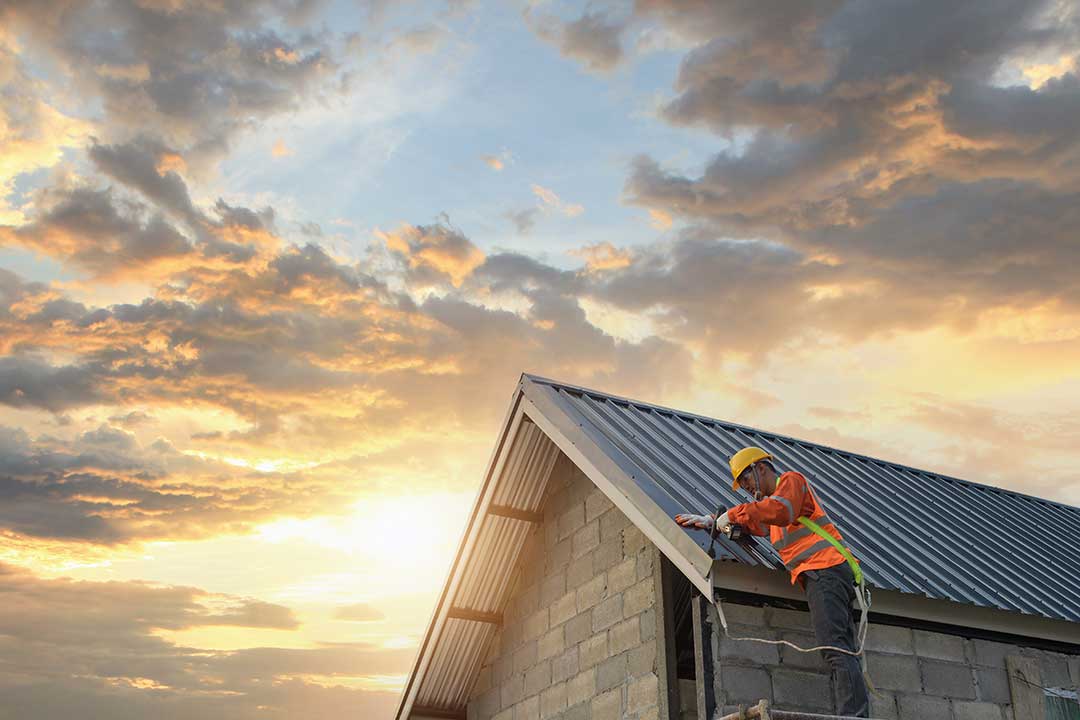
Next, check the attic if it can be reached safely. Look for:
- Wet or compressed insulation
- Darkened wood sheathing
- Water stains
- Drips or damp surfaces
- Daylight showing through roof openings
- A sudden increase in drafts or outdoor odors
Interior ceilings and upper walls should also be checked, particularly below valleys, skylights, chimneys, and roof-wall intersections. Water may travel along rafters or framing before appearing indoors, so the location of an interior stain does not always identify the exact entry point.
If electrical wiring, fallen trees, structural movement, or major water intrusion is present, stay clear of the area and address the immediate safety hazard before examining the roof further.
Why are roof edges and penetrations especially vulnerable?
Wind pressure is often greatest near roof corners, eaves, ridges, and gable edges. These areas can experience uplift that pulls at shingles and underlying components. If the roof edge is not properly secured, damage may spread inward from the perimeter.
Roof penetrations are also common weak points. Chimneys, plumbing vents, exhaust fans, skylights, and similar features interrupt the continuous roof surface. Each requires flashing and weather-resistant seals. If wind lifts a flashing edge or damages a seal, water can enter even when surrounding shingles remain intact.
Gutters and fascia can make the situation more complicated. A damaged gutter may pull on the roof edge or fascia, while loose fascia can expose the edge of the roof deck to additional weather. Debris trapped in a gutter can also conceal evidence of shingle or flashing damage.
Does snow or ice make wind damage more likely?
Snow and ice can increase the stress placed on a roof, although wind damage and winter weather damage are not always easy to separate. Heavy snow adds weight, while ice can stiffen or conceal roofing materials. Freeze-thaw cycles may loosen sealants, expand small cracks, and make older shingles more brittle.
In the local climate, a storm may combine strong gusts with rain, wet snow, or rapidly changing temperatures. Water that enters through a small wind-created opening can later freeze, expand, and enlarge the opening. For that reason, a roof should be checked even if interior signs of leakage do not appear immediately.
What should be done if wind damage is suspected?
Document visible conditions from the ground with dated photographs. Note when the storm occurred and record any indoor signs such as stains, damp insulation, or dripping water. If water is entering the home, move valuables away from the affected area and use a container to catch drips when safe.
Temporary measures should be approached carefully. Covering an opening from the ground may limit additional water entry, but climbing onto a wet or damaged roof creates fall and structural risks. Tarp placement, electrical hazards, and unstable branches may require trained assistance, especially when the roof is steep or partially collapsed.
Insurance documentation may require photographs, storm dates, and records of previous roof maintenance. Avoid discarding damaged materials before documenting them, unless they create an immediate safety hazard.
Wind damage is not always a single missing shingle. It can involve weakened seals, displaced flashing, damaged ventilation components, or water entry that develops days later. A careful inspection after severe weather is especially useful before the next period of rain, snow, or freezing temperatures.
