
What Is Roof Decking?
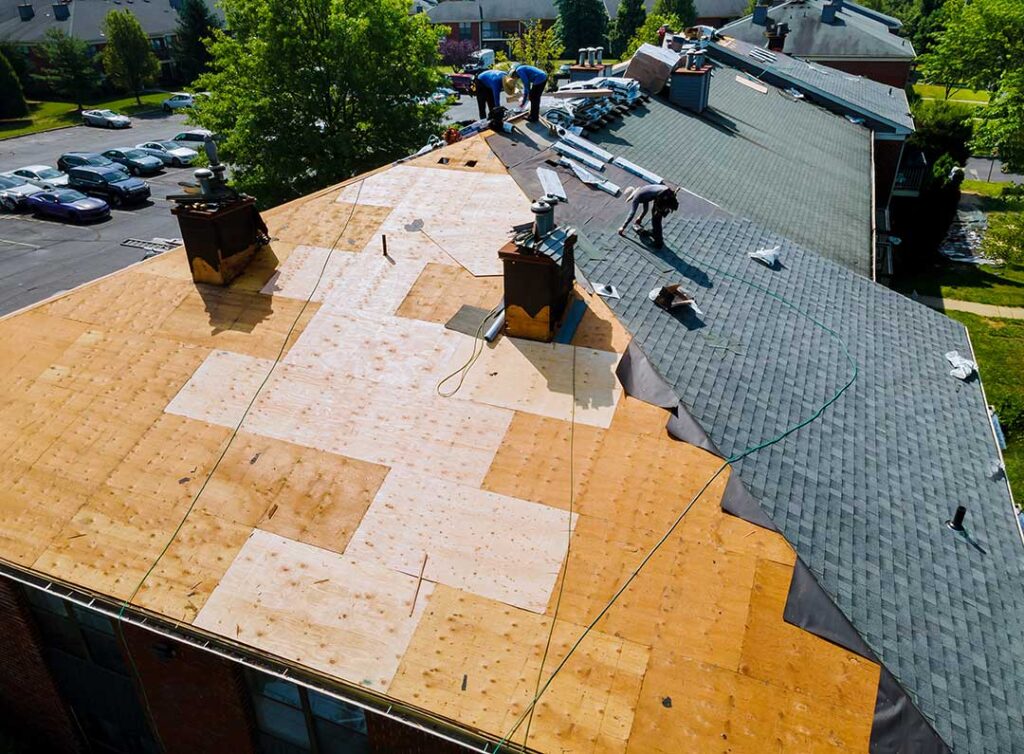
Roof decking is the flat, structural surface that forms the foundation of a home's roof system, supporting all other roofing materials. In most Churchville, NY homes, decking serves as the barrier between the inside of the house and the outer layers like underlayment and shingles. Its main job is to provide a strong base for these materials, ensuring stability and protection from the region’s variable weather.
Which Materials Are Used for Roof Decking in Churchville?
Local homes most commonly use wooden sheathing, especially plywood and oriented strand board (OSB), but other options exist.
- Plywood is manufactured in sheets and holds up well if kept dry.
- OSB is made from compressed wood strands and resin, offering solid performance.
- Older homes might have plank decking—actual individual boards nailed across rafters—especially in historic neighborhoods.
- In rare cases, metal or structural insulated panels may be used for specialty buildings.
Plywood and OSB are used because they’re cost-effective, strong, and easy to source for typical residential construction in the area.
Why Does Roof Decking Matter for Churchville Households?
Decking’s condition directly impacts how well a roof can withstand local rain, snow, ice, and wind. Damaged or aging decking can create weak spots that allow leaks, reduce energy efficiency, and lead to further structural issues.
Since Churchville experiences freeze-thaw cycles and wet seasons, even minor leaks can quickly lead to wood rot if water seeps through damaged shingles or flashing.
How Can You Tell If Your Roof Decking Needs Attention?
The need for repairs or replacement often only becomes obvious during a roofing project, but several warning signs might indicate trouble:
- Interior ceiling stains or sagging, especially after storms
- A “spongy” feeling when walking on the roof, sometimes noticed by roofers
- Prolonged roof leaks or visible mold in the attic area
- An unexplained increase in drafts or utility bills
Residents should also be alert for dark spots visible from the attic, as these can signal water intrusion or rot.
What Role Does Roof Decking Play in Winter Weather?
During harsh Churchville winters, decking must bear the weight of snow and icy buildup. If it’s compromised by age, water damage, or pests, it may no longer provide proper support. Roof decking helps block wind-driven snow from entering the attic and prevents warm air from escaping and melting snow unevenly, which can lead to ice dams—one of the most common winter problems in colder climates.
Buildings with poor attic ventilation are more prone to condensation, which over time can cause decking deterioration even without external leaks.
How Does Local Climate Affect Roof Decking Lifespan?
Weather cycles in the city put roof systems to the test.
- Humid springs and intense rainstorms demand watertightness and proper drainage.
- Rapid freeze-thaw cycles exacerbate small defects, making minor issues escalate quickly.
- Heavy, wet snow can stress weakened decking.
Materials like untreated plywood are especially vulnerable in damp conditions. Newer OSB products may offer better resistance, but any untreated wood can degrade faster if moisture gets trapped.
What About Roof Decking Codes and Replacement Practices?
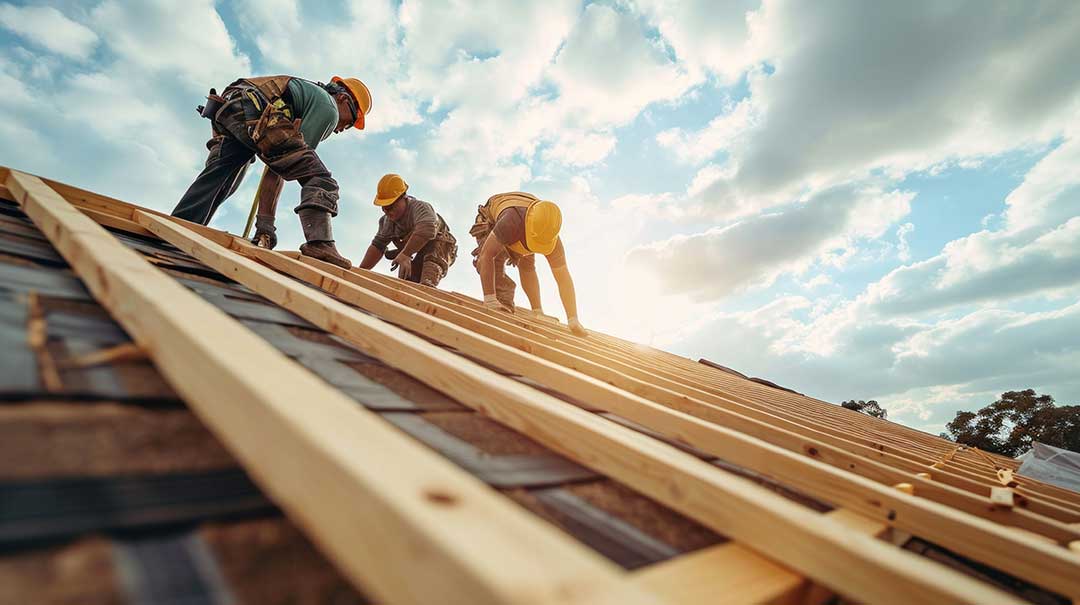
Building codes in Churchville require specific thicknesses and types of decking panels for safety. For most single-family homes, roofers will install 7/16” OSB or plywood, but larger structures or those with a history of leaks might need thicker or specially treated wood.
When existing roofing is replaced, decking is usually inspected and partially uncovered. Local guidelines recommend replacing any rotted or weakened sheets—even small soft spots can undermine a new roof.
Can Small Decking Issues Be Repaired?
Minor rot or a few bad boards can sometimes be replaced without redoing the whole deck, provided surrounding wood is still solid. However, widespread water damage or multiple layers of decay often require full replacement. Repairing only small areas might seem less disruptive, but patchwork fixes risk missing unseen moisture problems that could resurface later.
What Should Homeowners Know About Roof Decking Inspections?
Most issues are detected during major roofing work, but some warning signs can be spotted with routine attic checks:
- Smell for musty odors, especially after heavy rain.
- Search for rusty nails or visible daylight between boards.
- Look for insulation that appears damp or discolored.
In cases of major leaks, a professional assessment is safest, as walking on unstable decking can be dangerous.
How Can Residents Extend the Life of Roof Decking?
- Keep gutters clean to avoid water backing up under shingles.
- Check attic insulation and ventilation to minimize temperature swings and condensation.
- Address visible leaks or stains promptly to prevent rot.
- After big storms, safely inspect for any attic dampness or odor changes.
Early detection of even minor changes can help avoid expensive and disruptive problems.
