

What Causes Moss and Algae to Grow on Roofs in Churchville, NY?
Moss and algae develop on roofs in Churchville due to a combination of moisture, shade, and organic debris. The local climate—with its humid summers, rainy spring and fall seasons, and shaded spots from mature trees—creates an environment where these growths thrive.
Many area homes have north-facing or tree-covered roof sections that stay damp for long periods. Moss, which appears as a thick green clump, and algae, often seen as dark streaks, both take advantage of lingering moisture and nutrients from leaves, seed pods, or pine needles. Roofs with asphalt shingles or wood shakes are especially susceptible in the region.
How Can Homeowners Identify Moss and Algae Early?
Recognizing these problems early can help prevent more serious roof issues. Look for:
- Patchy, green, fuzzy spots or mounds—this is typically moss.
- Black or dark green streaks that seem to flow down the slope—this usually indicates algae.
- Areas under large trees, eaves, or in valleys where moisture persists.
Local households often spot the first signs in early spring or after a wet autumn. Gutter overflows, leafy buildup, or visible plant material caught in shingle edges may be early warning signs.
Does Moss or Algae Harm Your Roof?
Both moss and algae can shorten a roof’s lifespan, but in different ways.
- Moss holds moisture against the surface, lifting shingles and allowing water to seep underneath. Over time, this can cause decay or leaks.
- Algae is mostly a cosmetic issue but can diminish shingle reflectivity and, left untreated, create a slippery, hazardous roof surface.
Many residents believe moss and algae are purely aesthetic problems, but their impact can escalate if ignored—especially with Churchville’s freeze-thaw cycles and heavy rainfalls.
What Are Safe Methods to Remove Moss and Algae?
Manual removal (scraping or pressure washing) may seem appealing, but these methods often damage shingles. A safer approach uses gentle techniques:
- Rinse the roof thoroughly with low-pressure water.
- Apply a 50/50 mix of water and household oxygen bleach (not chlorine bleach), using a garden sprayer.
- Allow the solution to sit for up to 20 minutes, then rinse again with water.
- For stubborn areas, use a soft-bristle brush to lightly loosen the growth.
Avoid using high-pressure washers or harsh chemicals, which can destroy protective granules or run off into garden beds below. Always focus on working safely—accessing only what can be reached without stepping onto steep, wet, or slick roofing.
Can Chemical Treatments Be Used Safely in the Area?
Several consumer products claim to treat moss and algae, but caution is necessary in the Churchville environment. Runoff can impact local storm drains and gardens. When using any treatment:
- Choose biodegradable, phosphate-free options labeled as safe for vegetation.
- Apply only as directed, using protective gloves and eyewear.
- Shield sensitive plants below the roofline with tarps if necessary.
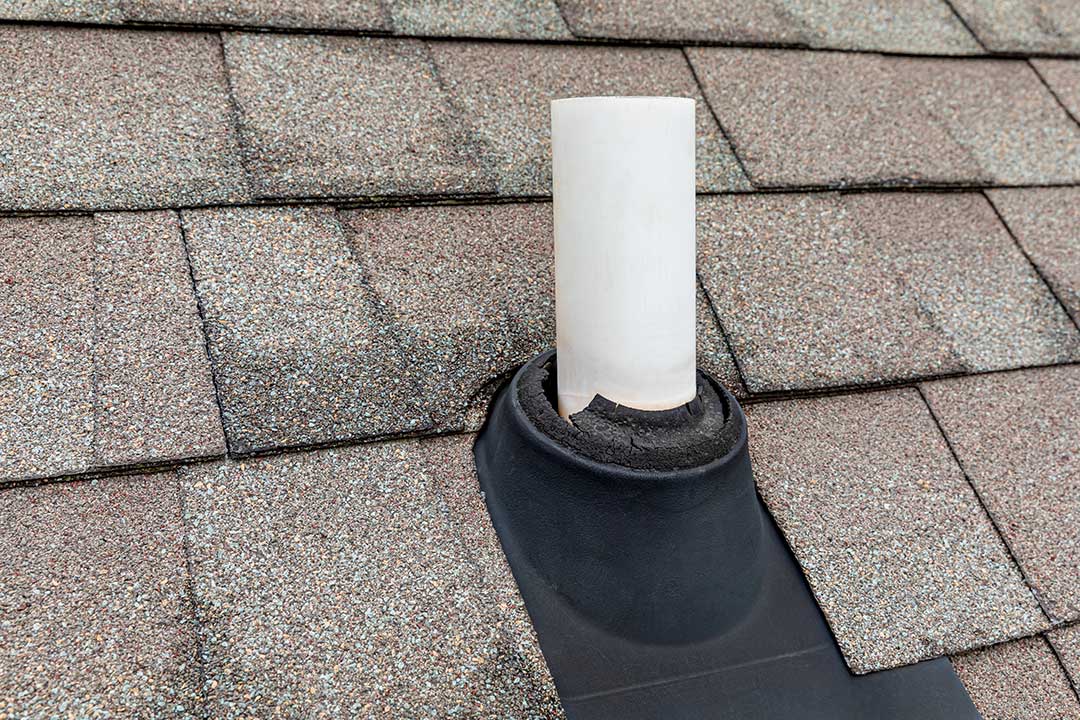
Never use straight bleach or lye-based products, as they risk damaging roofing materials and landscaping typical in the community’s residential settings.
Are There Ways to Prevent Recurrence?
Ongoing prevention is often the most effective approach for local residents. These strategies reduce the root causes of growth:
- Trim back overhanging trees to let more sunlight reach the roof, lessening long-term moisture.
- Clean gutters regularly to stop overflow and pooling near shingle edges.
- Promptly remove leaves, needles, and debris from roof surfaces, especially after a storm.
- Install zinc or copper strips near the ridge; rainfall will carry small amounts of metal down the shingles, which can inhibit growth. This method works gradually and is considered effective in temperate zones like upstate New York.
Neighborhoods with denser tree cover or mature landscapes may require more frequent attention to these tasks.
Can Moss and Algae Affect Local Home Values or Insurance?
Maintaining a clean roof is more than a cosmetic matter in many Churchville neighborhoods. Visible moss or algae can be a red flag in real estate listings and sometimes cause concerns during home inspections. Some insurers may require that significant moss be removed before issuing or renewing coverage, seeing it as a neglected maintenance issue that could lead to water damage claims.
For residents considering selling or refinancing, addressing these concerns proactively can help avoid delays or negative impressions.
When Should Professionals Handle Moss or Algae Removal?
Certain situations do merit professional help for safety or compliance:
- The roof is steep, high, or not easily accessible from ground level.
- There are signs of widespread shingle damage, leaks, or rotting detected during cleaning.
- Local ordinances prohibit disposal of certain roof runoff products.
Personal safety and local regulations always come first. If removal involves navigating electrical lines or precarious tree limbs, or the homeowner cannot safely reach all affected spots, seeking assistance is the recommended choice.
