
What Should Churchville, NY Residents Know About Roof Compatibility With Solar Panels?
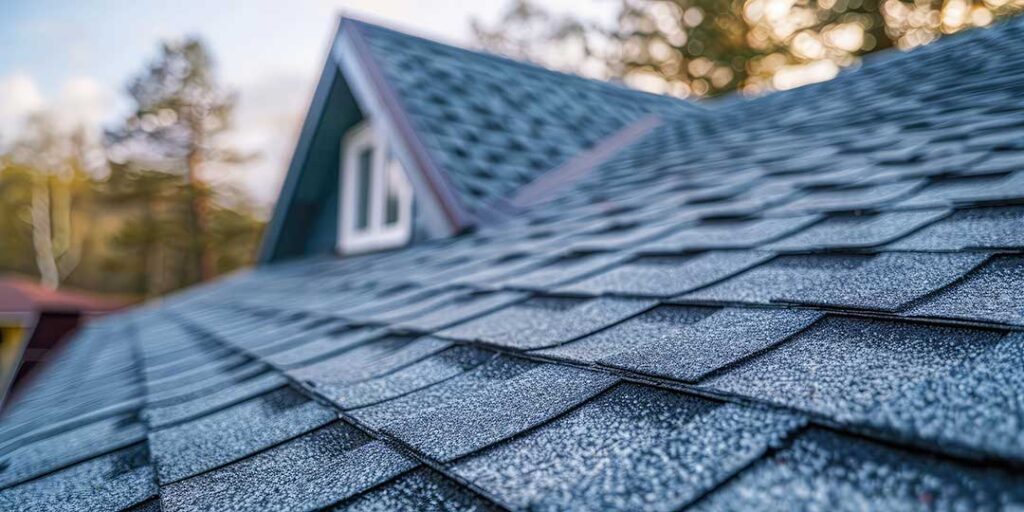
The majority of homes in Churchville can accommodate solar installations, but not every roof is equally suited. Before considering solar, look at your roof's age, condition, and material. Asphalt shingles are common in the area and work well with solar mounting systems. Metal or tile roofs can also support panels, but installation differs, and some older materials may not be ideal.
If your roof is more than 15-20 years old or shows signs of significant wear, such as missing shingles, sagging, or repeated leaks, it’s sensible to plan for repairs or replacement before placing panels. Putting solar on a roof likely to need replacement soon adds unnecessary labor and cost, since panels must be removed and re-installed during roofing work.
Does Churchville’s Climate Affect Solar Panel Performance?
Churchville’s climate includes cold winters, occasional heavy snowfall, and a mix of sunny and cloudy periods. Modern solar panels are tested for snow load and work in cold conditions, but their output varies with sun exposure and roof orientation.
- South-facing roofs get the most sunlight throughout the year.
- Trees, chimneys, or neighboring structures may create shade, reducing efficiency.
- Snow buildup on panels temporarily blocks energy production but usually slides off as panels warm under sunlight.
Panel durability is rarely an issue; products used in this region are built to withstand wind and snow typical for Churchville winters. That said, roof pitch and drainage do matter: a steep slope helps snow slide off, while gentle slopes might retain snow a little longer, slightly affecting winter output.
Will Solar Panels Damage My Roof?
When correctly installed, solar panels should not harm your roof. The mounting hardware is carefully sealed to prevent leaks, and reputable installers use techniques designed for specific roofing materials. For asphalt shingle roofs, mounting brackets are attached to rafters, then sealed with flashing and waterproofing materials similar to those used for vents and skylights.
Damage risk increases if panels are installed on an already compromised roof, or if untrained installers use poor methods. Panel systems can actually shield parts of the roof from sun, wind, and precipitation, sometimes extending shingle lifespan under the panels themselves.
Common misconceptions include fears of widespread leaks or blown-off panels. With professionally designed systems meeting local building codes and proper permitting, these issues are rare.
How Does the Installation Process Affect My Home?
Expect the installation to add extra weight to your roof, but on a normally structured single-family home in Churchville, this is not usually an issue. Building codes require load assessments before permitting. If your home has been heavily modified or is very old, an engineer’s review might be required.
The process includes:
- Mounting rails and hardware
- Setting panels in place
- Routing wiring under the panels and through the roof, typically through attic access
Project duration generally ranges from a few days to one week. Temporary increases in noise and foot traffic around your home are normal. After installation, yearly visual inspections are useful for spotting animal nests, leaves, or debris under or around panels.
Are There Local Regulations or Permits Involved?
In Churchville, solar panel installations on homes are subject to local building and electrical codes. Permits must be obtained before work begins, ensuring your roof and installation method meet local safety standards. For historic homes or properties in designated districts, additional review may be required.
Installers typically handle paperwork, but residents may want to familiarize themselves with city requirements. This can help avoid project delays. Homeowners associations, where present, might also have say over panel placement and appearance.
What Maintenance Should Area Households Expect?
Solar panels require little maintenance, but periodic checks are helpful. Snow and leaves are the most common issues in Churchville, particularly in winter and fall:
- Snow typically melts and slides off within a few days, but if you need to clear it faster, use a soft roof rake—never climb onto the roof in icy conditions.
- Remove large debris in spring and fall with a garden hose or telescoping brush (from the ground, if possible).
- Annually, check for loose panels, wiring issues, or signs animals have nested under hardware.
Roofs with panels age at a different rate under the shaded area—this can slightly extend shingle life below the array, though exposed sections will weather as usual.
What If My Roof Needs Repairs After Solar Is Installed?
If repairs become necessary, the section of panels over the work area will need to be temporarily removed. This can add cost and complexity, so it’s wise to start with a healthy, long-lasting roof. If only minor repairs are needed, they can sometimes be completed by accessing the affected spot without removing all panels.
Planning ahead—by coordinating major roof work and solar installation—minimizes future hassle and expense for area households.
