
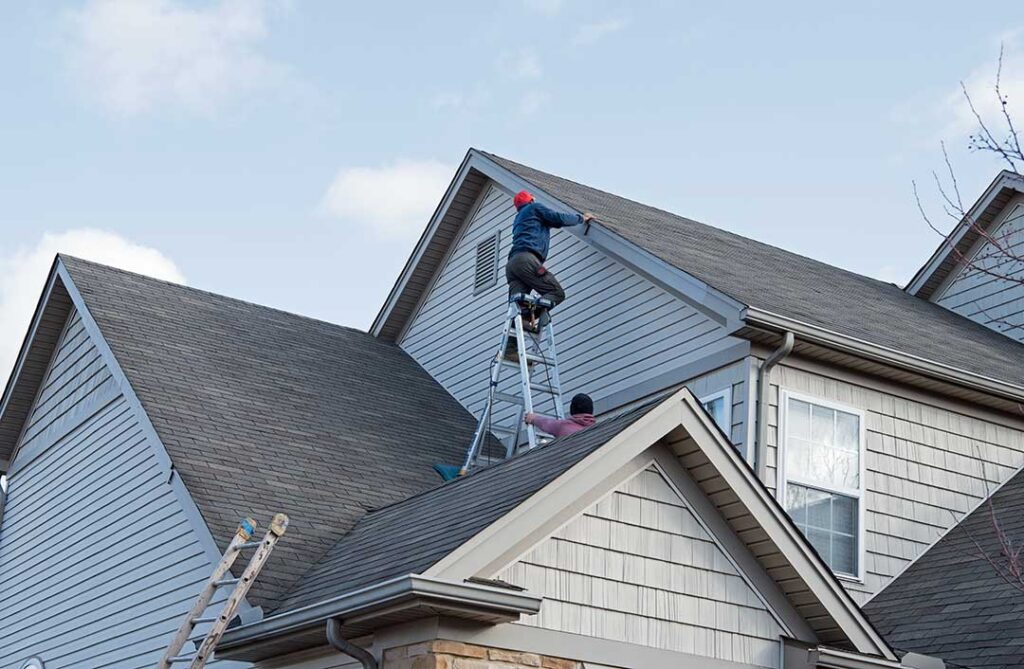
Replacing a roof creates more waste than shingles alone. Underlayment, flashing, metal vents, gutters, insulation, plywood, sealants, and packaging may all need separate handling. In Churchville, NY, the most responsible approach is to identify each material, keep recyclable items clean and separated, and confirm acceptance before transporting anything.
Can asphalt shingles be recycled?
Yes. Clean, non-asbestos asphalt shingles may be accepted by registered construction and demolition debris processing facilities. These facilities can sort and process shingles for material recovery, although acceptance rules, fees, load limits, and preparation requirements vary. New York State recognizes asphalt roofing shingles and roofing paper as construction and demolition materials when they are uncontaminated and do not contain friable asbestos. ([dec.ny.gov](https://dec.ny.gov/environmental-protection/waste-management/solid-waste-management-facilities/construction-demolition-debris-processing?utm_source=openai))
Recycled asphalt shingles may be processed into aggregate or asphalt-related products. Recycling is more likely when the load contains only shingles and compatible roofing paper rather than a mixture of household garbage, insulation, wood, plastic wrap, and other debris.
Before loading a vehicle, ask the receiving facility:
- Whether it accepts residential roofing shingles
- Whether shingles must be separated from roofing paper
- Whether nails and small amounts of attached metal are allowed
- Whether the facility accepts contractor-generated material
- Whether a fee, tarp, appointment, or specific vehicle type is required
Do not place shingles in a curbside recycling bin. Residential recycling programs are designed for materials such as paper, cardboard, containers, and metal cans—not bulky construction debris. ([monroecounty.gov](https://www.monroecounty.gov/ecopark-recycling?utm_source=openai))
What should be separated from the shingles?
Sorting at the property usually makes recycling easier and reduces the chance that an entire load will be rejected. Keep the following materials in separate piles or containers:
- Asphalt shingles and compatible roofing paper
- Bare aluminum or steel flashing
- Metal gutters and downspouts
- Clean, untreated wood
- Cardboard packaging
- Reusable materials such as intact vents, brackets, or spare shingles
- General trash that has no recycling outlet
Remove obvious contaminants such as food waste, plastic sheeting, loose insulation, household garbage, and large pieces of plywood. Small roofing nails may remain attached to shingles if the receiving facility allows them, but loose metal should be kept separate for scrap-metal recycling.
Clean cardboard should be flattened and kept dry. New York State recycling guidance treats uncontaminated materials differently from mixed or contaminated construction debris, so keeping materials source-separated is useful even when several items are being discarded during the same project. ([dec.ny.gov](https://dec.ny.gov/environmental-protection/waste-management/solid-waste-management-facilities/construction-demolition-debris-processing?utm_source=openai))
How can roofing metal be recycled?
Bare metal flashing, gutters, downspouts, drip edges, vents, and fasteners are often suitable for scrap-metal recycling. Separate metal from roofing cement, heavy layers of insulation, plastic, and wood whenever practical.
Metal roofing panels may also be recyclable, but coatings, attached membranes, foam backing, or excessive dirt can affect acceptance. Long pieces should be bundled carefully so they do not create sharp edges or become airborne during transport.
Metal components should never be placed loosely in a curbside recycling cart. They can damage sorting equipment or create hazards for collection workers. A scrap-metal outlet or a construction and demolition facility may be a better option, depending on the material and local rules.
What about wood, plywood, and roof decking?
Clean, untreated lumber may have recycling or reuse potential. Short pieces of sound framing lumber can sometimes be reused for small repairs or shop projects. Larger quantities of clean wood may be accepted by facilities that process source-separated wood waste.
Roof decking requires closer inspection. Plywood, oriented strand board, and boards with roofing cement, mold, heavy water damage, paint, or chemical contamination may not qualify as clean wood. New York State rules distinguish uncontaminated, unadulterated wood from painted, treated, coated, glued, or composite wood products. ([dec.ny.gov](https://dec.ny.gov/environmental-protection/waste-management/solid-waste-management-facilities/construction-demolition-debris-processing?utm_source=openai))
Keep damaged decking away from clean lumber. If it is mixed into a load, the receiving facility may classify the entire load as a different waste stream.
Are old roofing materials ever hazardous?
Some roofing materials may contain asbestos, especially products from older homes or materials with an uncertain history. Suspect materials should not be broken, cut, swept, or placed in a regular recycling load.
Friable asbestos is specifically excluded from the construction and demolition material stream described by the New York State Department of Environmental Conservation. The county’s household hazardous waste program also lists asbestos among materials it does not accept. ([dec.ny.gov](https://dec.ny.gov/environmental-protection/waste-management/solid-waste-management-facilities/construction-demolition-debris-processing?utm_source=openai))
Warning signs include:
- Older cement roofing sheets or shingles
- Unusual older roofing felt or paper
- Materials that crumble, flake, or release dust
- Roofing debris from a home built or remodeled before asbestos restrictions became widespread
- Materials with no reliable product information
If asbestos is suspected, stop work in that area and obtain guidance about testing, containment, and disposal requirements. Do not place suspected asbestos in a dumpster, recycling bin, or ordinary household trash.
How should roofing cement, sealants, and coatings be handled?
Roofing cement, tar-like products, solvent-based coatings, adhesives, and partially full containers should not be mixed with shingles. These products may be managed as household hazardous waste when they come from residential use and meet the program’s acceptance requirements.
The Monroe County ecopark lists driveway and asphalt sealers, glues, caulk, paste, resins, adhesives, flammables, and certain solvents among household hazardous waste categories. Appointments are required for hazardous household waste drop-off, and the program is intended for qualifying residential materials. ([monroecounty.gov](https://www.monroecounty.gov/ecopark?utm_source=openai))
Keep containers closed and upright. Do not combine leftover products, pour them onto soil, or leave them exposed to rain. Product labels can help identify the contents and determine the correct disposal category.
Can old shingles be reused?
Reuse is possible when shingles are clean, dry, flexible, and undamaged. A few intact shingles may be useful for small repairs, temporary weather protection, or noncritical garden and utility structures. However, reused shingles should not be installed where failure could cause water intrusion or create a safety concern.
Before saving materials, check for brittleness, curling, missing granules, mold, and hidden nail hazards. Store reusable pieces flat or securely bundled, protected from moisture and high winds.
Reuse should not be confused with placing roofing debris in a yard, drainage area, or vacant lot. Unwanted shingles remain a regulated waste material and should be directed to an approved reuse, recycling, or disposal outlet.
What is the safest way to transport roofing debris?
Roofing debris is heavy, dusty, and sharp. Use sturdy containers or a properly secured trailer, and cover loose loads with a tarp. Wear gloves, eye protection, sturdy footwear, and a dust mask appropriate for the work. Keep children and pets away from sorting piles.
Avoid overloading pickup beds. A small load that is secured properly is safer than a large load that shifts, sheds debris, or exceeds the vehicle’s capacity. During wet or freezing seasons, tarps also help prevent roofing paper and loose granules from spreading across driveways and roads.
For current local instructions, residents can use the county’s material-search tool or contact the county solid waste information line before making a trip. Acceptance policies can change, and a facility that accepts shingles may not accept asbestos, treated wood, insulation, or mixed demolition waste. ([monroecounty.gov](https://www.monroecounty.gov/ecopark-search?utm_source=openai))
A simple sorting plan for a roofing project
Set up separate areas before work begins:
1. Shingles and roofing paper: Keep clean and free of household trash.
2. Metal: Separate flashing, gutters, vents, and loose fasteners.
3. Clean wood: Keep untreated lumber apart from plywood and damaged decking.
4. Cardboard: Flatten and keep dry.
5. Hazardous or questionable materials: Isolate sealants, solvents, suspected asbestos, and unknown products.
6. Non-recyclable waste: Bag or contain only after recyclable and hazardous materials have been removed.
This method is especially useful in the region’s changing weather, where rain, snow, and freeze-thaw conditions can quickly make loose roofing debris heavier, harder to handle, and more difficult to sort.
