
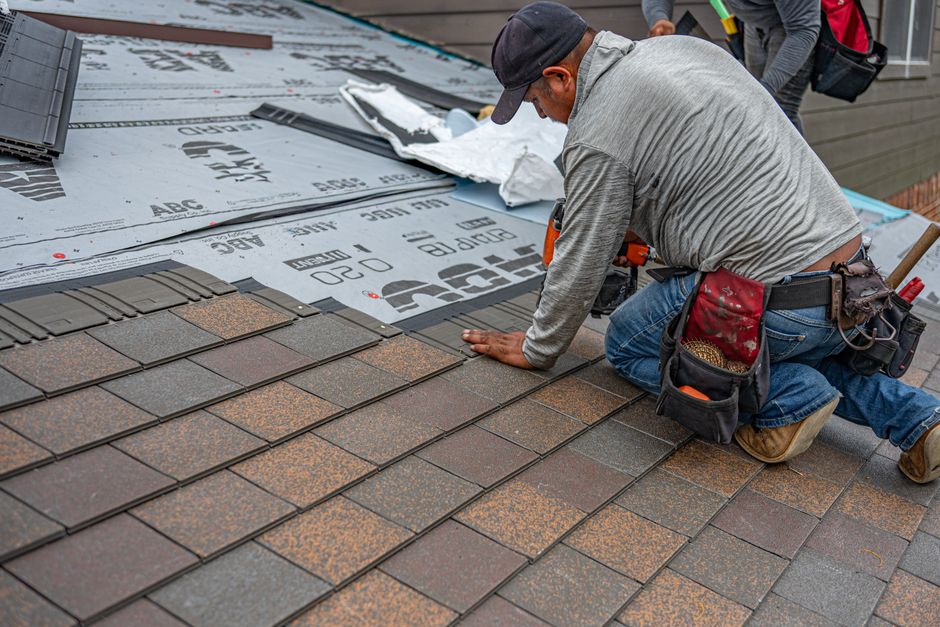
Walking on a roof is sometimes necessary for inspection, maintenance, or emergency cleanup, but it is never a routine household task. A roof can be steep, wet, brittle, or weaker than it appears. In Churchville, NY, changing weather, freeze-thaw cycles, wind, and winter moisture can make roof surfaces especially unpredictable.
The safest approach is to avoid climbing whenever the task can be completed from the ground or from a properly positioned ladder. If roof access is unavoidable, conditions, footwear, roof materials, and fall protection all need to be considered before taking the first step.
Is it safe for a homeowner to walk on a roof?
It can be possible on a low-slope roof in dry, stable conditions, but many residential roofs are not safe for casual walking. Asphalt shingles, metal panels, slate, wood shakes, and older roofing materials each have different hazards.
A roof may look solid while hiding:
- Loose or deteriorated decking
- Soft areas caused by moisture damage
- Brittle shingles that crack under pressure
- Algae, moss, frost, or invisible surface moisture
- Steep sections where balance is difficult
- Unprotected edges, skylights, and roof openings
Roof walking also causes wear. Shingles can lose protective granules, seal strips can separate, and flashing can bend or loosen. Repeated foot traffic may shorten the life of a roof even when no immediate damage is visible.
When should someone stay off the roof?
Do not walk on a roof that is wet, icy, snow-covered, frosted, muddy, or visibly damaged. Morning dew can create a slick surface even when the weather appears clear. Roofs should also be avoided during rain, high wind, lightning, or rapidly changing conditions.
In colder months, snow can hide weak areas, vents, skylights, and roof edges. Ice dams may create uneven surfaces and concealed ice. Snow removal from a roof can also place a person near a sliding mass of snow or ice.
Other warning signs include:
- Sagging roof lines
- Missing or curling shingles
- Exposed underlayment or decking
- Large areas of moss or algae
- Loose metal panels
- Cracked or displaced slate
- Visible water damage inside the attic or upper floors
- A roof that feels springy or soft underfoot
A roof with structural concerns should not be walked on. The safest option is to observe it from the ground, attic, or an upper window until its condition can be evaluated safely.
What footwear is appropriate?
Use clean, soft-soled footwear with a good tread pattern. Shoes should be dry, securely fastened, and free of mud, gravel, or oil. Hard soles and worn tread can slide across shingles or scratch metal surfaces.
Avoid walking on a roof in sandals, smooth-soled shoes, slippers, or footwear with deep mud attached. Do not rely on socks or bare feet for extra grip. They offer no protection from exposed fasteners, rough roofing materials, or hot surfaces.
Before climbing, check the soles for small stones. Gravel can reduce traction and may damage shingles when pressed into the roofing surface.
How should someone walk on asphalt shingles?
On a shingle roof, use slow, deliberate movements and keep your body facing the slope. Take small steps rather than long strides. Place each foot carefully and avoid sudden turns.
Walking near the lower portions of shingles can lift or break their edges. Try to step where the shingle course is supported by the roof framing, commonly near the area above the overlap between courses. Avoid stepping directly on exposed tabs, damaged shingles, ridge caps, flashing, vents, and roof valleys.
Keep your weight centered over your feet. Do not lean sideways to reach gutters, branches, or equipment. Move your feet instead of twisting your upper body.
Even on a low-slope roof, never assume shingles provide dependable traction. Granules can loosen, and a surface that feels dry may still be slick from condensation.
Are metal, slate, and other roofs safe to walk on?
Metal roofs can be slippery even when they appear dry. Painted or coated panels may become particularly slick from dew, frost, or light moisture. Standing seams and fasteners can create tripping hazards, while stepping in the wrong place can dent panels or damage seams.
Slate roofs are fragile and should generally not be walked on without specialized access equipment and training. Individual pieces can crack under concentrated weight, and broken slate may create sharp edges.
Wood shakes and shingles may become brittle, split, or slippery with age. Older roofing materials can also hide decay beneath the surface.
Low-slope membrane roofs may tolerate limited foot traffic, but seams, penetrations, protective coatings, and insulation beneath the membrane can be damaged by careless steps. Walking on any unfamiliar roofing material requires caution because the visible surface does not reveal its full condition.
How can ladder access be made safer?
A ladder should stand on firm, level ground and extend high enough above the roof edge to provide a secure handhold when stepping onto or off the roof. It must be positioned according to the manufacturer’s instructions and secured so it cannot shift sideways or slide backward.
Keep three points of contact while climbing: two hands and one foot, or two feet and one hand. Face the ladder, keep both hands available, and use a tool belt or rope rather than carrying loose tools.
Do not climb while holding roofing materials, power tools, or bulky objects. Never place a ladder on ice, snow, loose soil, wet leaves, or an unstable surface to gain extra height.
A ladder is an access device, not a substitute for fall protection. It also does not make a steep or damaged roof safe to walk on.
What fall protection is needed?
Fall protection becomes increasingly important as roof pitch, height, and edge exposure increase. A harness alone is not enough. A complete system requires properly rated anchor points, compatible equipment, suitable connection methods, and knowledge of how to prevent and respond to a fall.
Improvised anchors, chimney parts, plumbing vents, gutters, tree branches, and roof equipment should not be treated as secure tie-off points. A rope tied around an object may fail or create additional hazards.
For steep roofs, elevated roof edges, or work near openings, basic household precautions are not adequate. Trained workers use equipment and procedures designed for the specific roof and task.
How should tools and materials be handled?
Keep tools secured so they cannot slide down the roof. A dropped hammer or loose piece of metal can injure someone below or damage siding, windows, vehicles, and landscaping.
Use a tool belt, bucket attached to a controlled line, or another method that prevents loose objects from moving. Do not throw tools or materials from the roof. Establish a clear area below before moving anything near an edge.
Avoid dragging ladders, hoses, or extension cords across roofing surfaces. They can scratch, catch, or dislodge materials.
What are safer alternatives to walking on the roof?
Many routine checks can be completed without stepping onto the roof. From the ground, binoculars can help identify missing shingles, damaged flashing, clogged valleys, sagging gutters, or debris. An attic inspection may reveal leaks, daylight through the roof deck, wet insulation, or deteriorated wood.
Gutter cleaning can often be performed with ground-based tools or from a properly positioned ladder, provided the equipment is used safely. Tree branches near the roof should not be pulled from an elevated position if they could shift unexpectedly.
For Churchville households, inspecting after major wind, heavy rain, or winter weather can help identify problems early. The inspection does not require climbing if the roof can be viewed safely from the ground and attic.
If the roof is steep, damaged, fragile, icy, snow-covered, or difficult to access, staying off it is the safest decision. A visible problem can be documented from a safe location, while roof access involving fall exposure or structural uncertainty requires specialized safety practices.
