
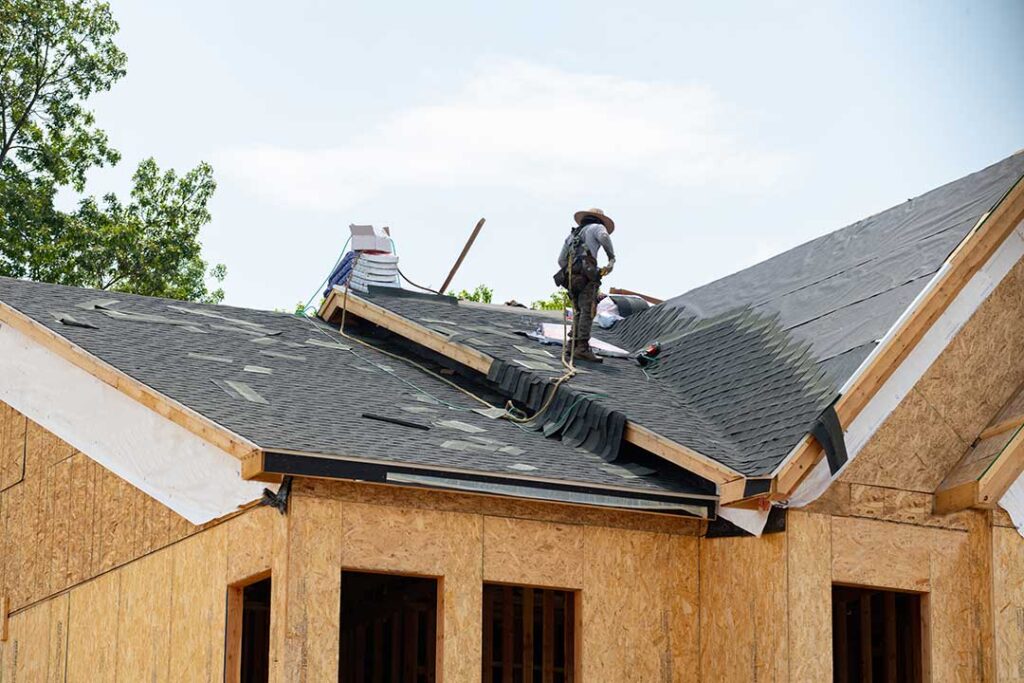
Why Learn Roofing Terminology?
Understanding basic roofing terms can help Churchville, NY residents communicate more effectively with contractors, understand inspection reports, and spot potential problems early. This knowledge is especially valuable during seasonal transitions, when roofs often experience the effects of weather changes unique to the region.
What Is a Roof Deck?
The roof deck is the surface—typically made from plywood or oriented strand board (OSB)—that roofing materials are installed over. It forms the base for everything above and must be strong to support snow loads experienced throughout the colder months in the city. Homeowners may hear “decking” referenced during repairs, replacements, or after severe storms if leaks or sagging are found.
What Are Shingles, and How Are They Different From Tiles or Panels?
Most homes in the area use asphalt shingles, but the term “shingle” simply means the individual overlapping pieces covering a roof. Shingles can be made from asphalt, wood, slate, or other materials. Tiles (usually concrete or clay) and panels (like metal standing seam panels) are alternatives but less common for typical residential homes in the community. Understanding what’s currently on your roof can help when planning repairs or comparing options.
What Is a Roof Valley?
A valley is formed where two roof slopes meet. This channel-like area directs rain and melting snow off the roof, so it needs to be well-flashed and kept clear of debris. Valleys are among the most leak-prone areas because they handle a large volume of water runoff, especially during the wet spring and during freeze-thaw cycles. Keeping valleys free from fallen leaves or ice dams is a common task for local homeowners.
What Is Flashing and Why Is It Critical?
Flashing refers to thin, waterproof metal sheets or strips installed where the roof meets features like chimneys, walls, vent pipes, or valleys. Flashing prevents water from seeping under shingles and causing leaks. In Churchville, frequent freeze-thaw cycles can make poorly installed or aging flashing a leading cause of leaks. If a roof develops a sudden drip after winter storms, compromised flashing is often suspected.
What Does Underlayment Mean?
Underlayment is a water-resistant or waterproof layer installed directly on the roof deck, beneath shingles. It acts as an extra barrier against wind-driven rain and snow, which are common in the area’s blustery months. The type of underlayment can impact a roof’s performance during severe weather and may affect local code compliance for wind and ice dam protection.
What Are Eaves, Ridges, and Hips?
These terms describe different roof edges and high points:
- *Eaves* are the lower edges where the roof meets the walls, often where gutters are attached.
- *Ridges* are the top horizontal lines where two roof planes meet, forming the “crease” at the highest point.
- *Hips* are the diagonal raised lines running from the ridge to the eaves on a roof with multiple sides.
Snow buildup, icicles at the eaves, and ventilation challenges at the ridge are all influenced by these features, making them important in local maintenance routines.
What Is a Roof Pitch?
Pitch describes how steep a roof is, usually expressed as a ratio like 6:12 (meaning the roof rises 6 inches for every 12 inches of horizontal run). Many homes in the city have moderate to steep pitches to help shed snow and rain quickly. Roof pitch can affect everything from the cost of repairs to what materials work best for the local climate.
What Are Ice Dams and Why Should Residents Care?
An ice dam is a ridge of ice that forms at the roof’s edge when snow melts, runs down, and refreezes before it can drain off. This is a common winter concern, leading to backed-up water, leaks, and sometimes even damage to interior walls. Understanding the term "ice dam" helps residents stay alert to a significant, recurring winter risk, especially after heavy snow followed by a brief thaw.
What Is a Drip Edge?
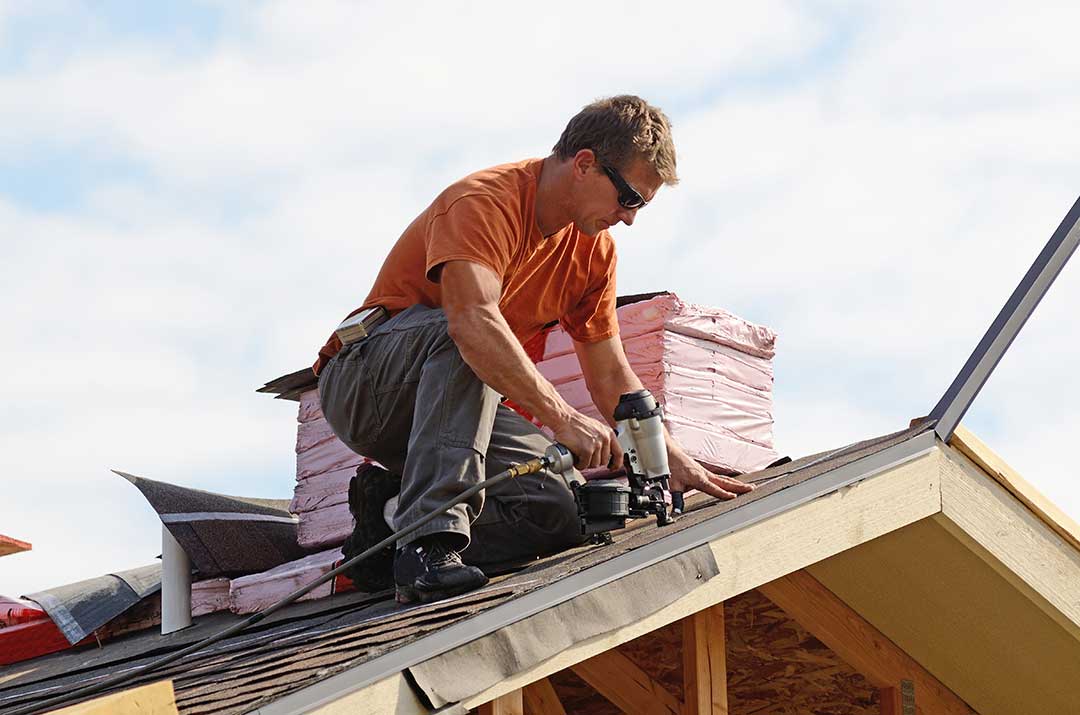
A drip edge is a metal strip installed along eaves and gables to direct water into gutters rather than letting it seep into the fascia or underlying wood. Without a proper drip edge, water can rot wood and lead to costly structural repairs. Drip edge installation is often noted in roof inspection reports or local building code requirements.
What Do Soffit and Fascia Refer To?
- *Soffit* is the horizontal “ceiling” underneath eaves, usually vented to allow airflow into the attic and prevent moisture buildup.
- *Fascia* is the vertical band attached at the edge of the roof, often where gutters are secured.
Both elements influence attic ventilation, help protect against wildlife intrusion, and affect roof lifespan, especially in neighborhoods with mature trees and fluctuating seasonal temperatures.
What Is Roof Ventilation?
Ventilation describes the system (vents, soffits, and sometimes fans) that moves air through the attic. Good ventilation regulates temperature, prevents moisture buildup, and helps extend roof life. In communities with humid summers and cold winters, improper roof ventilation can lead to higher energy bills and shortened roof service life.
What Is a Roofing Square?
A roofing “square” is a unit of area, equal to 100 square feet. Most local roofing quotes and materials lists are calculated using squares. If someone says a roof is “20 squares,” that means it covers 2,000 square feet. This term helps homeowners translate between roofing proposals and the actual size of their house.
Are There Terms Unique to Older Homes in the Area?
Some older homes have details like slate, wooden shakes, or unique cornices. Terms like “sheathing” (another word for roof deck) and “parapet” (a low wall along the edge of a roof) might come up. Residents of historic houses may encounter these less common terms during renovations or inspections.
How Does the Local Climate Influence Roofing Vocabulary?
The climate leads to frequent conversations about snow loads, ice melt, and water management. Terms such as “ice shield” (a type of underlayment designed for cold climates) and “roof rake” (a tool for removing snow from the lower roof) are especially relevant for those living in the region’s variable weather conditions.
