

How Does Humidity Affect Roofing Materials in Churchville, NY?
Humidity plays a subtle but significant role in the health and performance of any roof. In areas like Churchville, NY, where shifts between muggy summers and cold, damp winters are the norm, understanding the effects of moisture in the air can help residents recognize, prevent, and address roofing issues before they worsen.
Which Roofing Materials Are Most Sensitive to Humid Conditions?
Some roofing materials are more vulnerable to humidity-driven challenges than others.
- Asphalt Shingles: These are common locally and can be affected by repeated moisture exposure. High humidity can speed up the growth of algae, moss, and lichen, especially in shaded spots. This not only impacts appearance but can shorten the shingle lifespan by trapping moisture underneath.
- Wood Shakes and Shingles: Wood is naturally porous and absorbs water easily. In humid stretches, this can cause swelling, warping, and eventually rotting if proper ventilation is lacking.
- Metal Roofs: Metals are generally humidity-resistant, but improper seams or flashing can allow condensation to accumulate underneath, leading to corrosion over time.
- Clay and Concrete Tiles: While these don’t absorb much water, trapped humidity beneath the tiles (especially on roofs lacking proper underlayment or ventilation) can foster mold and weakening of support structures.
Why Does Humidity Lead to Roof Damage?
Humidity influences a roof both directly and indirectly. Warm, saturated air can directly penetrate small gaps or cracks, while lingering moisture promotes the growth of moss, mold, and algae. Over time, this can eat away at materials and facilitate leaks.
• Prolonged dampness breaks down protective granules on asphalt shingles.
• Constant moisture on wooden materials leads to fungal decay and weakened structural integrity.
• Trapped humidity in poorly ventilated attics may create condensation, which drips onto insulation and roofing supports, reducing their effectiveness and encouraging wood rot.
What Are the Signs of Humidity-Related Roof Problems?
Early detection of humidity issues can prevent costly repairs. Residents often first notice:
- Dark streaks or green patches on shingle surfaces (algae or moss)
- Curling, cupping, or buckling of shingles after a humid season
- Musty smells or visible mold growth in attics or upper floors
- Rust spots or water stains on metal components like fasteners or flashing
- Damp insulation or signs of condensation inside the attic
Spotting these signs after a particularly sticky summer or a mild, wet winter is not uncommon in this region.
How Does Local Climate in Churchville Affect Roof Moisture Levels?
Churchville’s seasonal variations create repeated cycles of high and low humidity. Summers can be muggy, pushing inside humidity levels upward—especially in homes with insufficient attic ventilation. Winters may seem drier, but when outside temperatures drop and homes are heated, indoor humidity can condense on cold surfaces inside the attic or under the roof, slowly warping materials or producing mold.
Tree cover and shade, common across many residential streets, can make portions of roofs stay damp longer after rain or dew, compounding the effect of high humidity.
Does Proper Ventilation Reduce Humidity Risks?
Effective attic ventilation is one of the best defenses against the downsides of moisture. Good airflow moves humid air out of roof cavities and balances inside and outside temperatures.
- Soffit and ridge vents allow fresh air to flow up and expel stale, moist air.
- Gable vents, when used on older homes, can help support this cross-ventilation system.
- Regularly checking for blocked vents (sometimes caused by insulation or debris) supports steady airflow and helps maintain dry roof conditions.
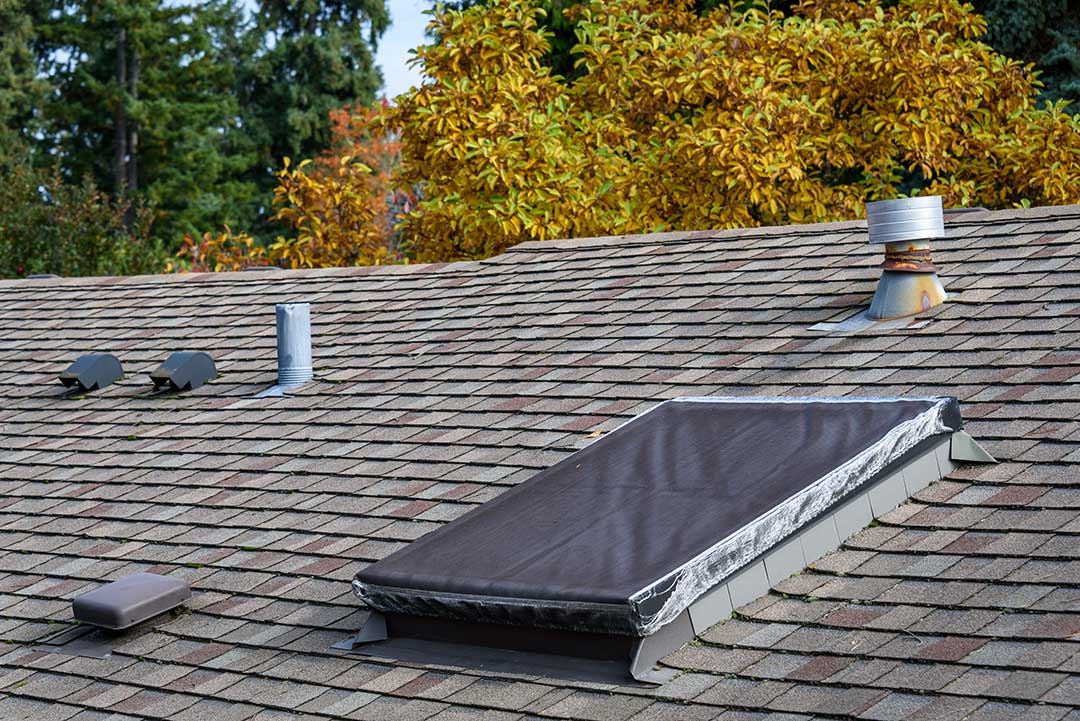
Proper ventilation not only protects the roof deck and insulation but also extends the life of the roof by discouraging moisture buildup.
What Are Common Misconceptions About Humidity and Roofs?
Many assume that roofs only suffer from water damage when a leak is present. In fact, roofs in the local climate can be compromised by humidity alone, particularly through condensation and incremental deterioration over years.
Another misconception is believing mold or algae is only an aesthetic problem. In reality, these growths often signal deeper issues with persistent moisture, which will gradually reduce the effectiveness and durability of roofing materials.
Are There Preventative Steps for Homeowners Concerned About Humidity?
Residents can minimize humidity-related roof problems by:
- Inspecting roofs seasonally for early signs of moss or algae, especially after damp stretches
- Clearing clogged gutters and downspouts so water and humidity do not build up along the eaves
- Trimming tree branches that shade or overhang the roof, speeding up drying after dew or storms
- Checking attic insulation and ventilation to be sure moist air leaves the roof space efficiently
- Ensuring bathroom and kitchen exhaust fans vent outdoors, not into attics or enclosed spaces
Do Building Codes or Local Guidelines Address Humidity Issues?
Building codes in the area generally emphasize adequate roof ventilation and moisture barriers, especially in new construction or significant renovations. Most codes require a balanced approach to intake and exhaust ventilation in roof systems. Retrofitting older homes may require reviewing these elements to prevent stealthy moisture issues.
When Should Roof Repairs or Changes Be Considered?
If shingles, wood, or metal components are repeatedly showing signs of humidity-related damage, further evaluation may be warranted. Broadly, any evidence of structural compromise, like sagging or soft roof decking, should prompt attention for safety reasons rather than waiting for worsening conditions.
