
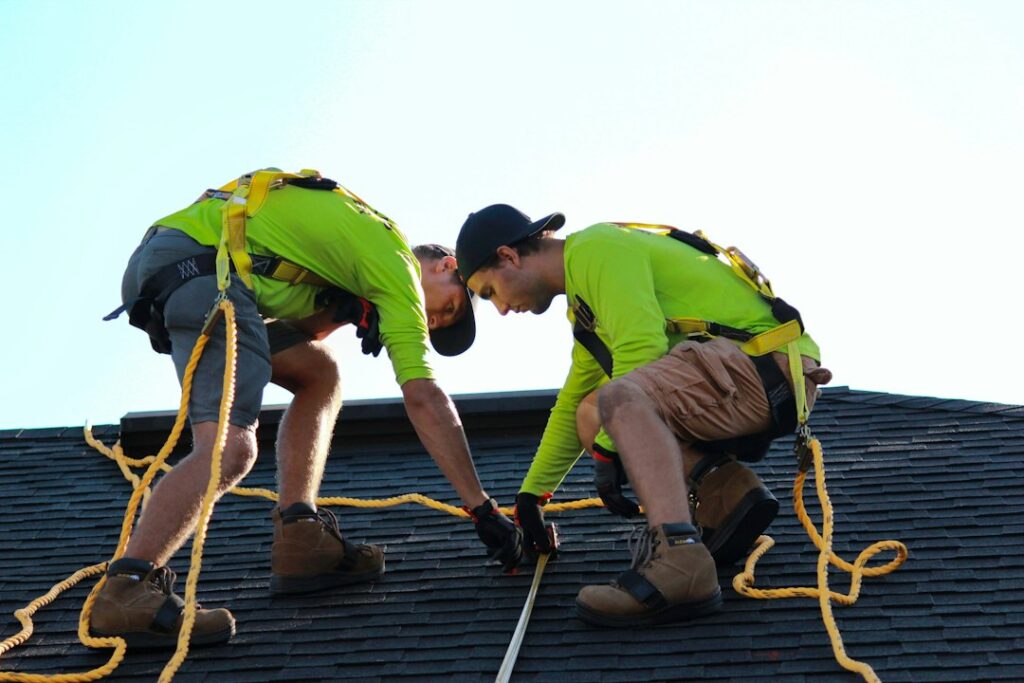
Renovations can protect and improve a home, but construction work can also expose the roof to punctures, falling materials, blocked drainage, and temporary water intrusion. In Churchville, NY, where snow, freeze-thaw cycles, wind, and wet weather can affect roofing materials for much of the year, planning the work around roof protection is essential.
Which renovation activities can damage a roof?
Projects that appear unrelated to roofing can still create risks overhead. Exterior work is the most obvious concern, but interior renovations can also affect roof components if workers need to open ceilings, move materials through attic spaces, or install new vents, skylights, chimneys, or wiring.
Common sources of damage include:
- Ladders resting against shingles, gutters, or flashing
- Scaffolding placed too close to roof edges
- Foot traffic on brittle, wet, icy, or newly installed materials
- Dropped tools, siding pieces, lumber, and demolition debris
- Temporary openings around vents, pipes, skylights, or dormers
- Fasteners driven through roofing without proper sealing
- Dust, nails, and scraps collecting in gutters and downspouts
- Tarps secured in ways that rub against or puncture the roof
A roof does not need to appear visibly damaged for problems to begin. A loosened shingle, bent flashing edge, or partially blocked gutter may not leak until the next heavy rain or snowmelt.
How should the roof be inspected before work begins?
A pre-renovation inspection creates a baseline. Before materials arrive, look for missing or lifted shingles, cracked sealant, exposed nail heads, sagging gutters, damaged flashing, and areas where water already collects.
The inspection should include:
- Roof slopes visible from the ground
- Valleys where two roof sections meet
- Flashing around chimneys, plumbing vents, skylights, and wall intersections
- Gutters, downspouts, and extensions
- Attic areas beneath the planned work
- Ceilings and upper walls for stains, bubbling paint, or dampness
Photographs are useful, especially for older roofs. Taking pictures before construction makes it easier to distinguish existing conditions from damage that occurs during the project.
Any active leak should be addressed before renovation materials are placed near the affected area. Covering a roof problem with a tarp or new construction component can make the source harder to find later.
What is the safest way to move materials near a roof?
Roofing materials, lumber, siding, windows, and tools should not be dragged across shingles or stacked directly on the roof unless the load and support system are specifically designed for it. Excess weight can stress roof framing, damage the roof surface, or block drainage paths.
Materials should remain on stable ground whenever possible. If items must be lifted to an elevated work area, they should be placed on properly supported platforms rather than directly on roofing materials. Long boards require particular care because they can scrape shingles, strike vents, or catch wind.
During demolition, use controlled drop zones and debris containers. Loose nails and sharp fragments are especially hazardous because they can puncture underlayment, damage tires, and enter gutters.
How can ladders and scaffolding be used without harming shingles?
Ladders should be positioned according to the equipment manufacturer’s instructions and should not rest on gutters, drip edges, skylights, or fragile roof sections. Pressure from ladder feet can crack older shingles or deform metal flashing.
Scaffolding should stand on solid, level surfaces and be kept clear of roof edges. Protective padding may reduce rubbing in some situations, but padding does not make an unstable or improperly placed setup safe. Scaffolding components should never bear against vents, chimneys, gutters, or decorative roof features.
If workers need repeated access to a roof, designated walk paths or roof boards may help distribute weight. These measures are not substitutes for safe access planning, particularly during rain, snow, ice, or high winds.
How should a roof be protected during exterior renovations?
Protection depends on the type of work. Painting, siding replacement, window installation, dormer construction, and masonry repairs each create different hazards.
Useful precautions include:
- Covering nearby roof sections with breathable, non-abrasive protection when appropriate
- Keeping protective coverings from trapping moisture against shingles
- Securing tarps above, rather than tightly rubbing them across, roof surfaces
- Removing loose debris at the end of each workday
- Keeping metal scraps, nails, and sawdust out of valleys and gutters
- Maintaining temporary drainage so rainwater can leave the roof normally
- Sealing any temporary penetrations before an overnight rain or snowfall

Plastic sheeting can prevent water from reaching an interior space, but it can also trap condensation or flap against shingles in the wind. Temporary weather protection must be secured without creating new holes or abrasion.
What changes during winter or wet-weather work?
Cold weather makes roofing and renovation work more complicated. Snow and ice can conceal damage, make access dangerous, and add weight to temporary coverings and scaffolding. Freeze-thaw cycles can also loosen materials that were secure during warmer conditions.
During wet or cold periods:
- Do not walk on icy or visibly wet roof surfaces.
- Keep snow and ice from blocking gutters and downspout outlets.
- Check tarps and temporary covers after strong wind.
- Avoid leaving exposed roof areas unprotected overnight.
- Make sure interior heating and ventilation do not create excessive condensation in the attic.
- Watch for ice buildup at roof edges and drainage points.
In Churchville, winter conditions can change quickly. A dry morning may be followed by freezing temperatures, snow, or wind before the workday ends. Daily checks are more reliable than assuming a temporary setup will remain secure.
Can renovation work affect attic ventilation?
Yes. New insulation, recessed lighting, bathroom fans, wiring, and ceiling changes can block or redirect attic ventilation. Roofing problems may follow if soffit vents, ridge vents, gable vents, or roof vents are covered or disconnected.
Bathroom and kitchen exhaust should vent outdoors through properly sealed ducts, not into the attic. Insulation should not be packed into ventilation channels at the roof edge. Any new roof penetration should be flashed correctly and coordinated with the roof’s drainage pattern.
A renovation can also change indoor humidity. If warm, moist air reaches a cold roof deck, condensation may form and resemble a roof leak. Water stains that appear during cold weather are not always caused by rain.
What should be checked when the renovation is finished?
A final roof review should happen before scaffolding, dumpsters, and temporary coverings are removed. Check for:
- Missing, cracked, or displaced shingles
- New holes, exposed fasteners, or unsealed penetrations
- Damaged flashing around walls, vents, and chimneys
- Bent gutters or disconnected downspouts
- Roofing granules and construction debris in gutters
- Scratches or dents on metal roofing
- Loose tarp edges or leftover protective materials
- Interior stains that appeared during construction
After the first substantial rain, inspect the attic and upper-floor ceilings again. Some leaks only become visible when water reaches a particular seam, flashing joint, or roof valley.
If renovation work has caused structural damage, an unsafe roof condition, an exposed opening, or an active leak near electrical wiring, the area should be kept clear until the hazard is properly corrected. Roofing protection is not just about preserving shingles; it also helps prevent water damage, mold growth, electrical risks, and delays in the rest of the project.
